
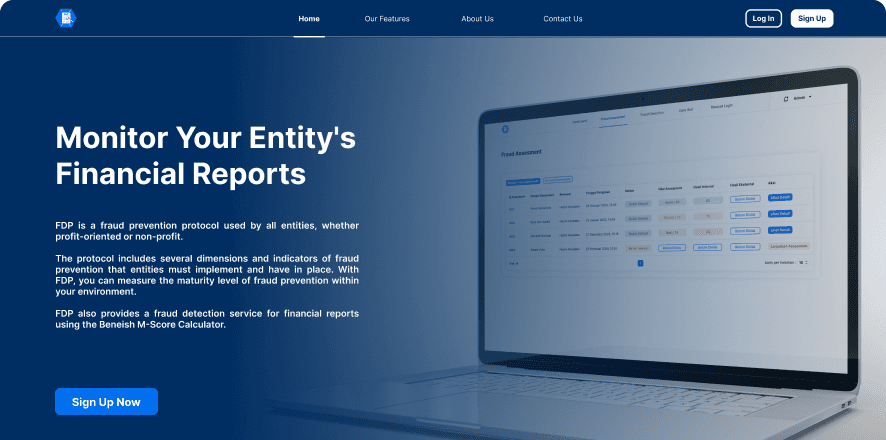
Fraud Deterrence Propeller (FDP)
Fraud Detection and Prevention App
My Role
UI/UX Designer -- Web Design,
Interaction Design, User Documentation,
User Flows, Prototyping
Team
Muhammad Hazim Abubakar, SA
Muhammad Auzan Zaky Eryana, UI/UX
Rama Padliwinata, BE
Reva Doni Aprilio, FE
Amalia Yuna Puspita, QA
Zahrandi Rusrizal, QA
Tools
Figma
Trello
Maze
Google Forms
Timeline
Jan 2024 - Sep 2024
Project Overview
FDP is a fraud prevention and detection application developed as my final college project with a team of six, each with specific roles. I was responsible for the UI/UX design, ensuring the app's usability and user needs. Using the Double Diamond method, i designed and tested the interface through Usability Testing and the System Usability Scale (SUS). The results showed an excellent usability score, with an average Usability Testing score of 93 and a SUS score of 88.33, indicating the interface is highly effective and delivers a great user experience.
Design Process
01 - Discover
literature study
User Research
Problem Findings
02 - Define
User Persona
Empathy Map
03 - Develop
User Flow
Wireframe
Design System
04 - Deliver
UI Design
Usability Testing
System Usability Scale
The problem
Organizations and companies often face challenges in managing fraud, particularly in financial statements, which can harm their stability, reputation, and operations. However, many lack tools that can:
Prevent fraud by implementing proactive measures to reduce risks within the company.
Detect fraud by identifying irregularities or fraudulent activities that may already exist.
The solution
We developed the Fraud Deterrence Propeller (FDP) application to help organizations solve this problem by providing tools to:
Prevent fraud through features that check risks and make sure company policies are followed
Detect fraud by analyzing financial reports and finding suspicious actions.
01 - Discover
“The Fraud Triangle”
Opportunity
Razionalization
Financial Pressure
Financial pressure happens when a person feels a strong need for money, which they cannot meet with their current financial situation. For example, personal debt, medical bills, or maintaining a certain lifestyle.
Rationalization is how someone justifies their dishonest actions. They convince themselves that what they are doing is not wrong. For example, they might think, "I will pay it back later," or "This company doesn’t treat me fairly, so it’s okay."
Opportunity is the situation or weakness in a system that allows a person to commit fraud without being caught. For example, a lack of supervision, poor internal controls
More than half of occupational Frauds occur due to lack of internal control
or an override of existing internal controls.
A “Well - Designed” system of internal controls paired with strong management are the best way for a company to reduce fraud “opportunity”
Interview Findings
In this Discover stage, I was able to connect with the stakeholder, namely a lecturer who developed the Fraud Deterrence Propeller theory. By interviewing them, I gained some insights into the application to be developed.
The target users of the FDP application are companies or entities seeking to assess whether they are vulnerable to fraud.
The users involved within an entity include the entity owner, staff or employees, and a reviewer.
The main features offered by the FDP application are:
Fraud Assessment: Evaluates whether an entity is vulnerable to fraud.
Fraud Detection: Detects potential fraud or manipulation in financial reports.
The application is expected to be user-friendly, with a professional and straightforward interface.
The top priority for the application is the implementation of the two main features: Fraud Assessment and Fraud Detection.
02 - Define
Main goals
Based on the information gathered during the Discover phase, the primary goal of the FDP application is to prevent and detect fraud within a company. This goal is achieved through two key features: Fraud Assessment for prevention and Fraud Detection for identification.
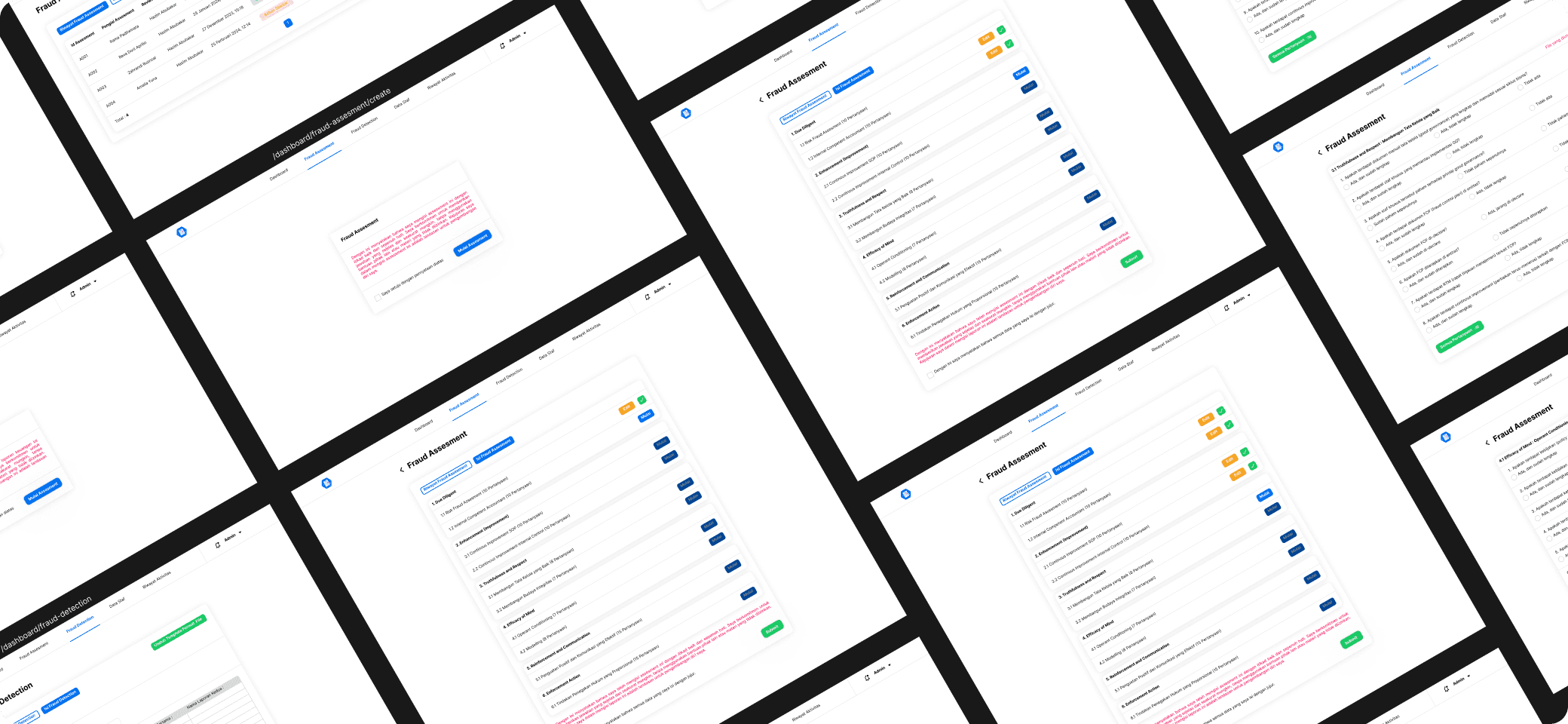
Fraud Assessment: This feature involves a questionnaire based on the Fraud Deterrence Propeller Theory provided by the stakeholder. All staff, including the owner, must answer 100 questions divided into six chapters. After completing the assessment, the system generates a score to determine whether the company is at risk of fraud.
Fraud Detection: This feature uses the Beneish M-Score Calculator to identify potential fraud in financial reports. It compares two financial reports and calculates whether fraud is present based on the data provided.
roles
The System Analyst and I discussed the roles within the FDP application and their respective functions. We agreed that the application will include five roles: Super Admin, Admin, Staff, Internal Reviewer, and External Reviewer. Each role has the following functions:
Super Admin
The Super Admin acts as the programmer with full control over the system. They are responsible for confirming and managing user accounts for the application, specifically Admins or company owners.
Admin
Admins are the company owners responsible for managing and utilizing the FDP application within their companies. Their tasks include registering the company in the system, managing other users within their organization, and using the application for fraud prevention and detection.
Staff
Staff members are users within the application who can be registered by the Admin in a company.
Internal Reviewer
Internal Reviewers are evaluators from within the company who can be registered by the Admin. They are tasked with reviewing and assessing financial report prevention measures.
External Reviewer
External Reviewers are evaluators from outside the company responsible for assessing the prevention measures.
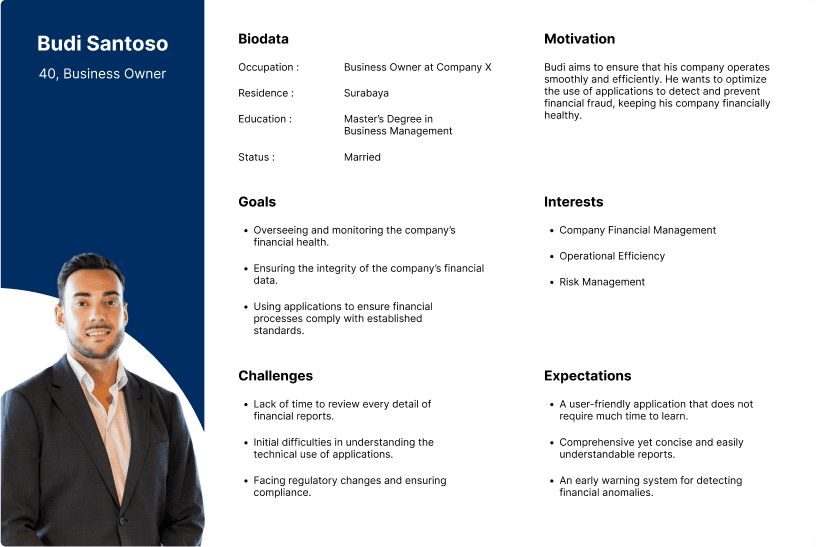
User Persona
I created user persona to represent the larger group of potential users, including their backgrounds, goals, challenges, and specific needs. These personas help me visualize who the target users are and better understand their perspectives.
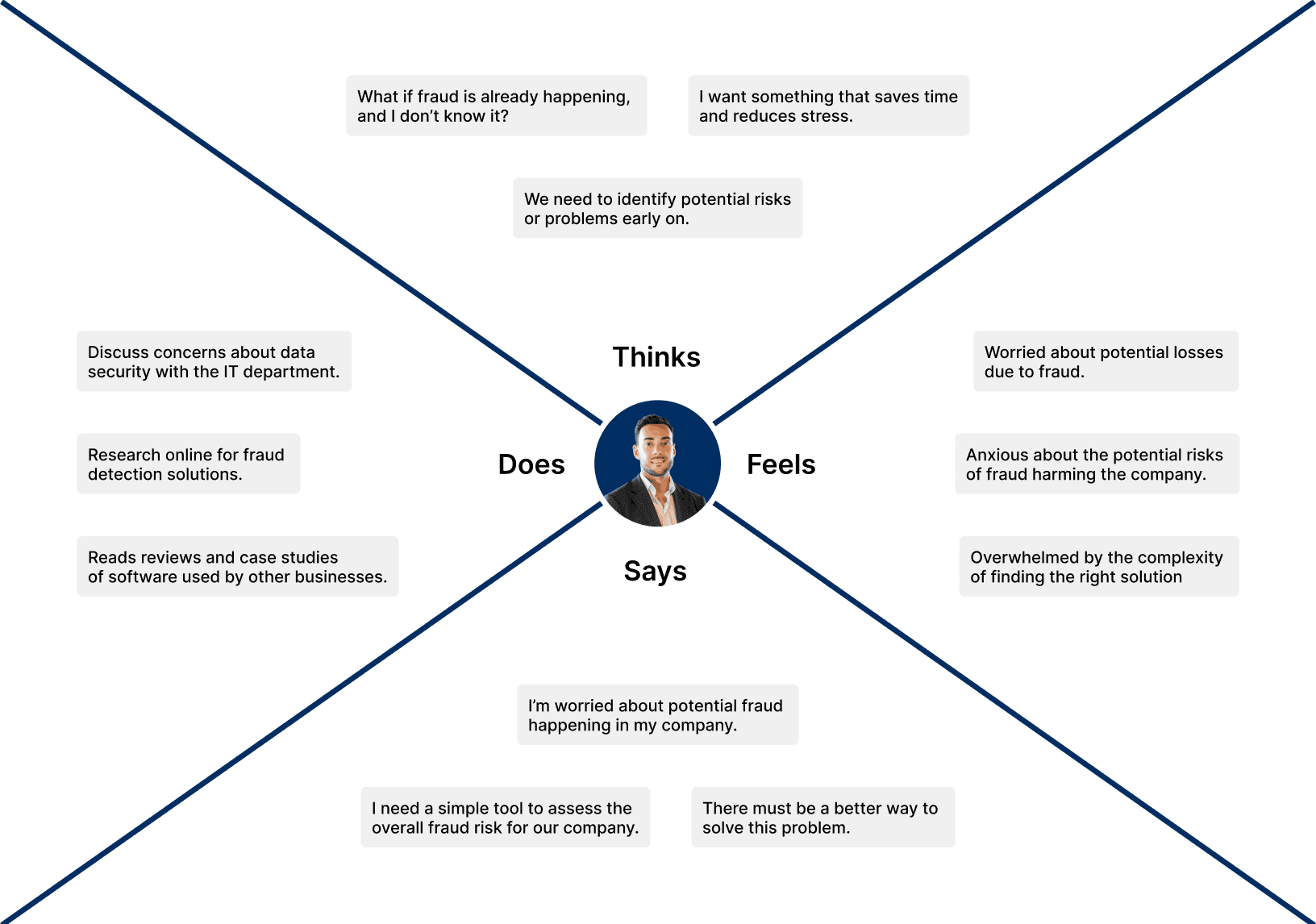
Empathy Map
I created user persona to represent the larger group of potential users, including their backgrounds, goals, challenges, and specific needs. These personas help me visualize who the target users are and better understand their perspectives.
03 - Develop
User Flow
Based on the roles defined on the previous step, the next step is to make a flow for each roles and its function. This process explain how every role will be used in the system. Below is the user flow of Admin and Reviewer, the two main role in this app
Admin
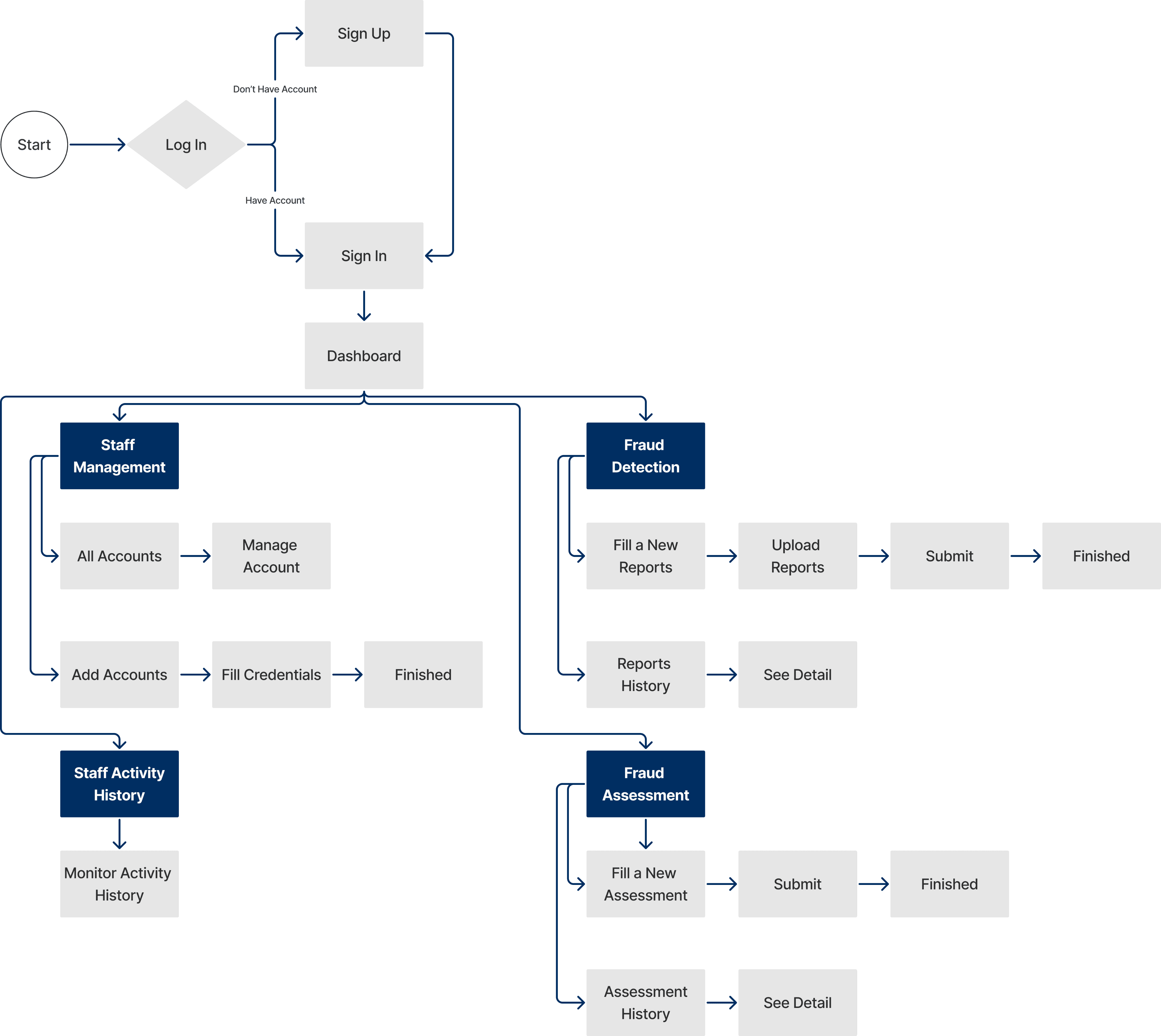
Admin or the company owner can accessed the two main features, Fraud Detection and Fraud Assessment. Admin can add a Staff and Reviewer in the Staff Management.
Reviewer

Reviewer has only 1 task, it is to review the Assessment of Admin or Staff. Reviewer makes sure that the assessment filled is true.
Wireframe
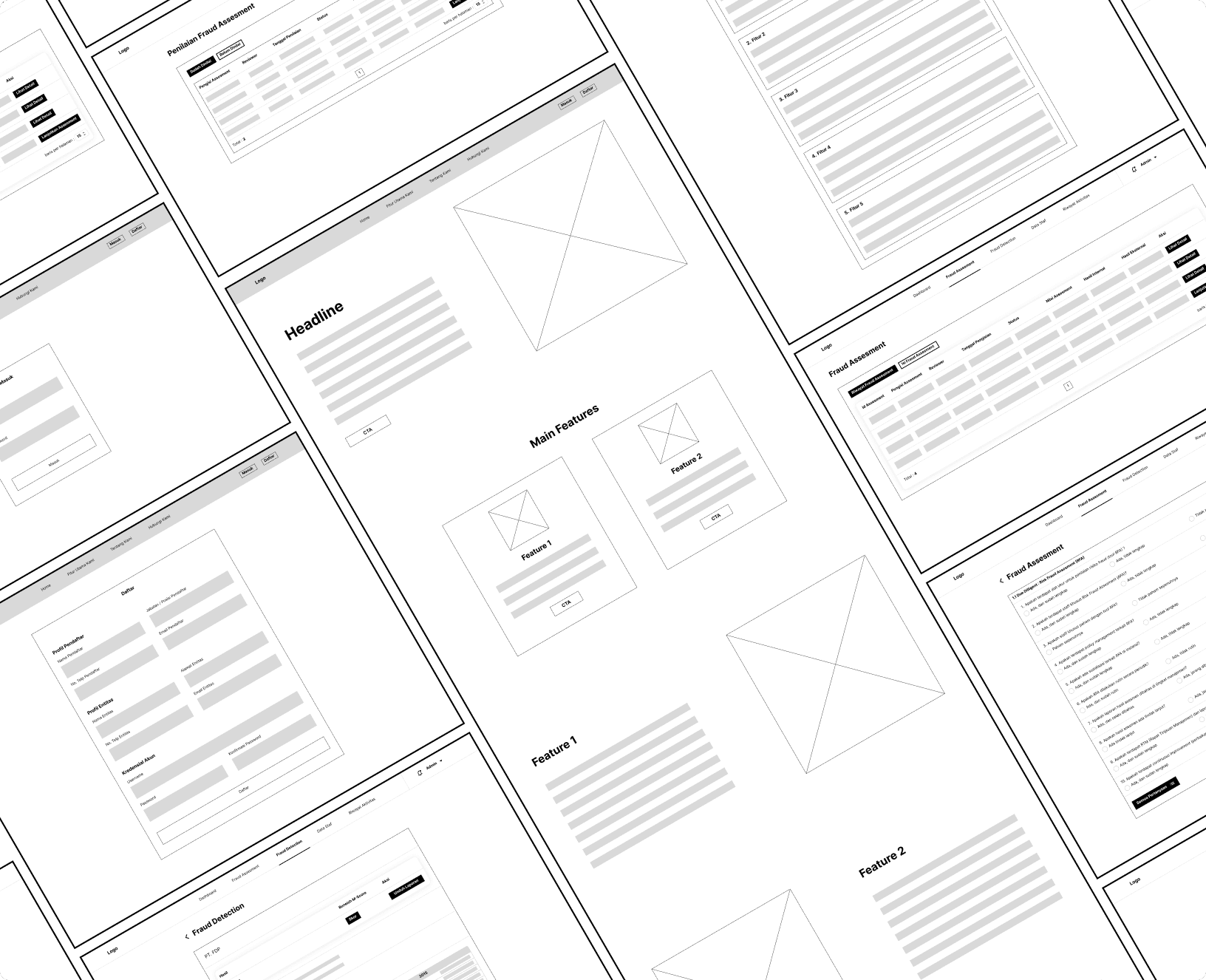
After the user flow is created, the next step is to applied the flow into a wireframe. The main focus of wireframe is to visualize the interface with the correct flow, while focusing on functionality.
Design System
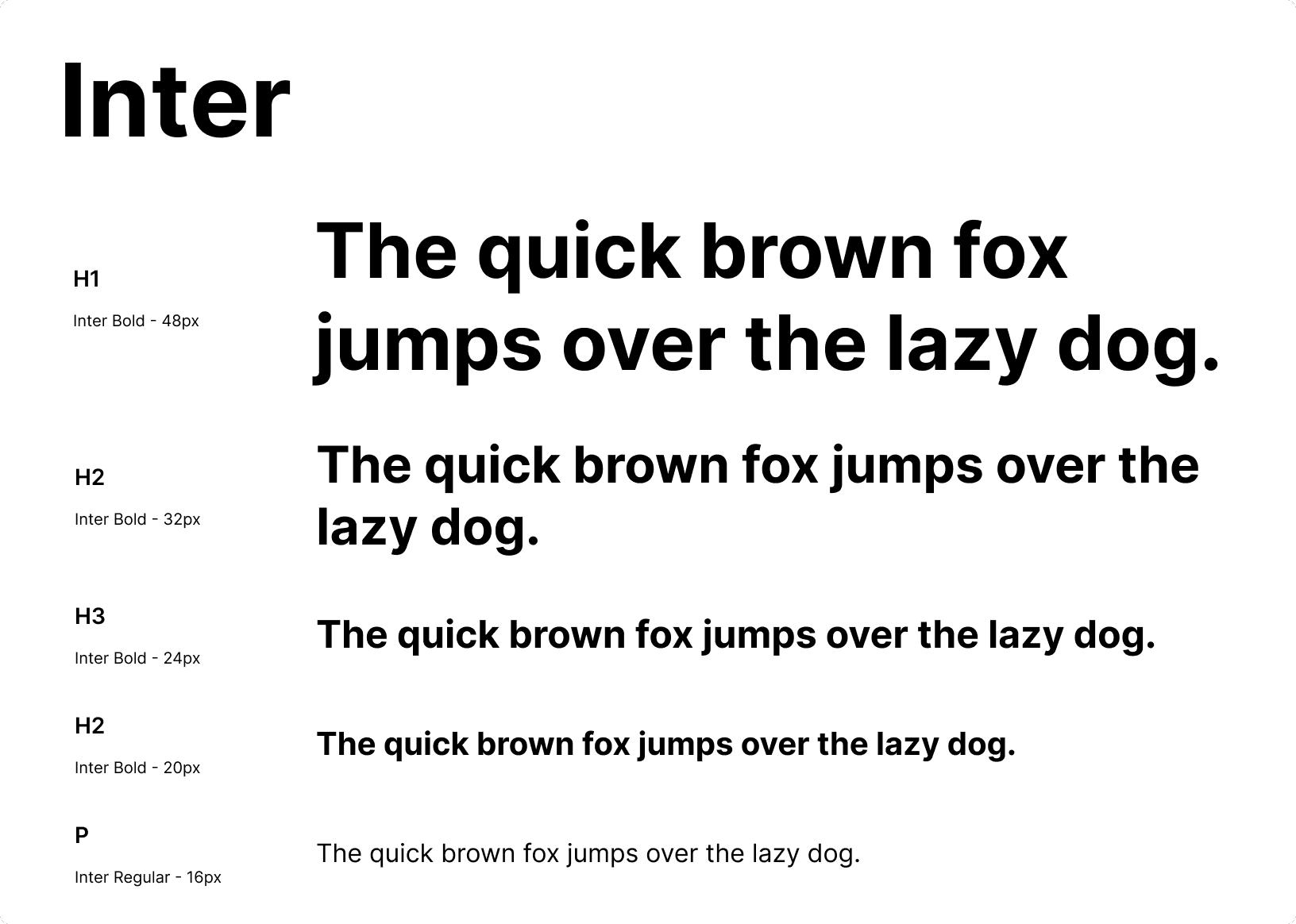
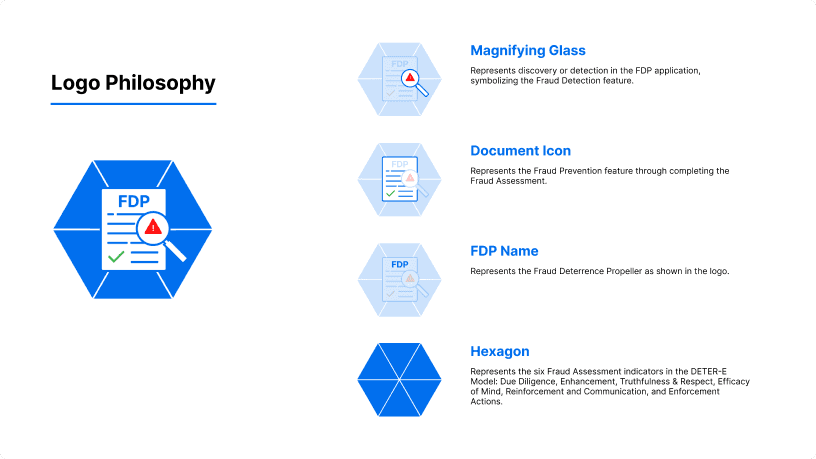
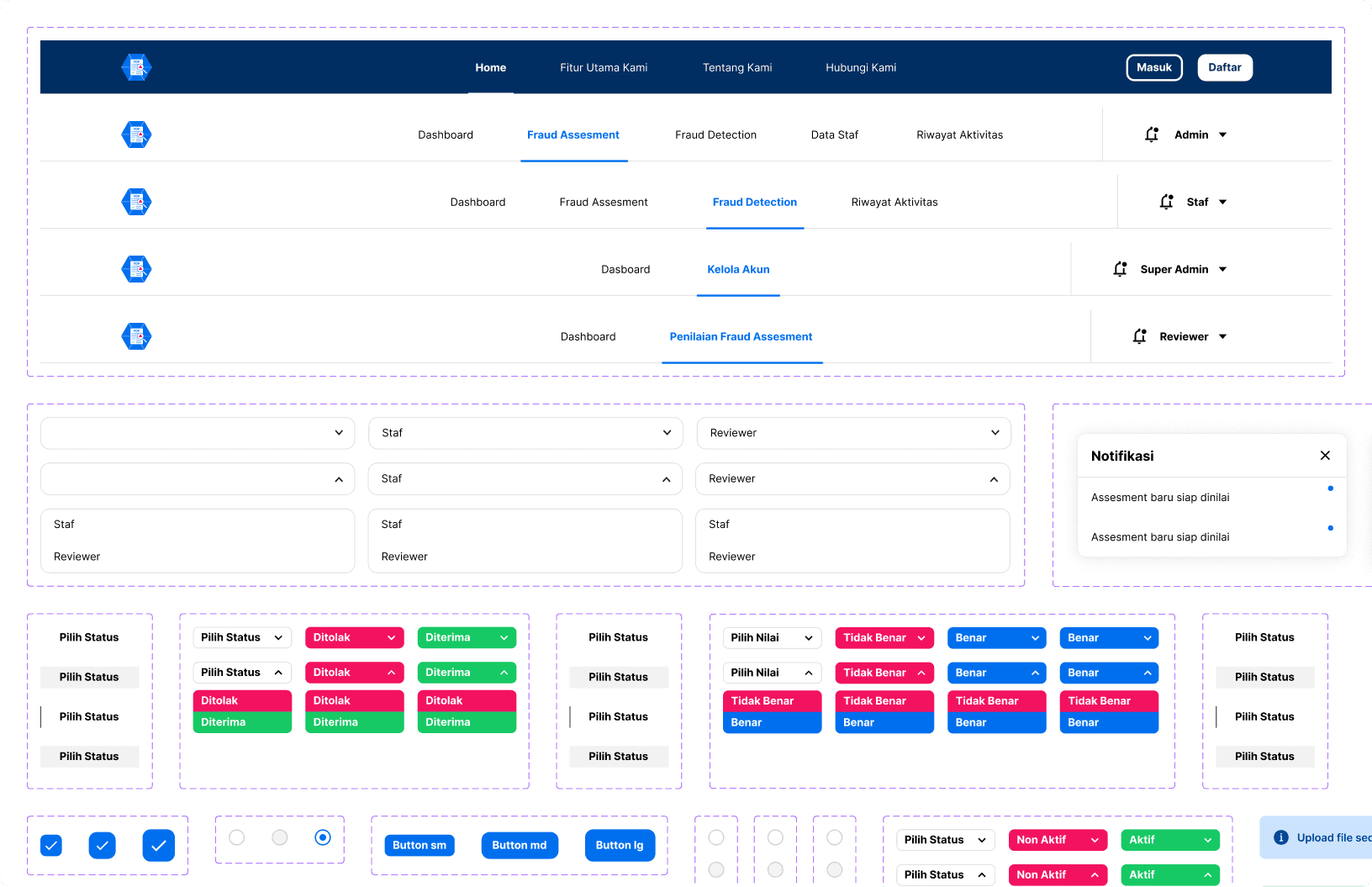
Design system is required for an app to be consistent, and presentable. It consist of colors, typography, logo, and components.
Typography
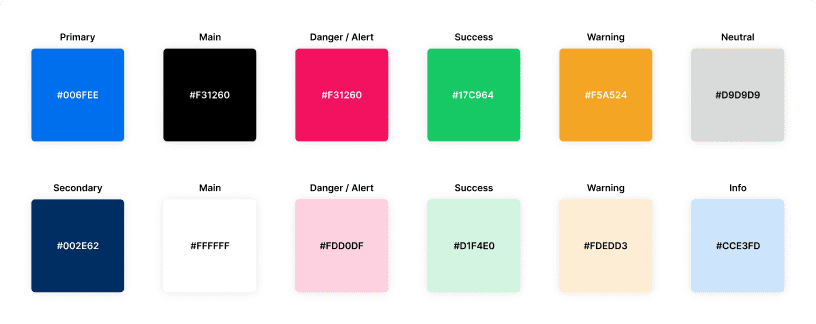
Colors
Logo
Components
03 - DeLiver
UI Design
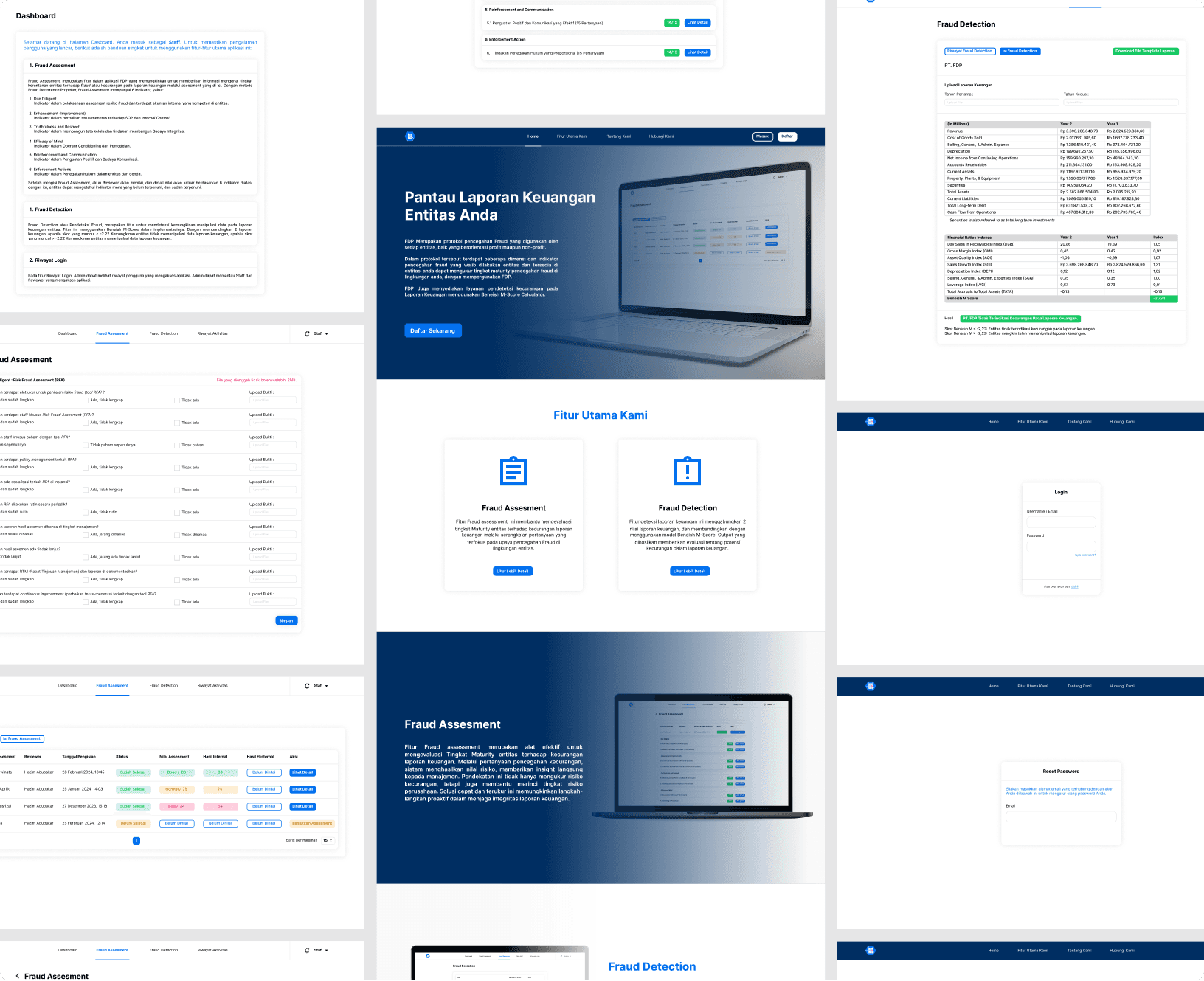
After building the necessary element for the design, in this phase i applied design system and wireframe to make the final User Interface.
Fraud Detection
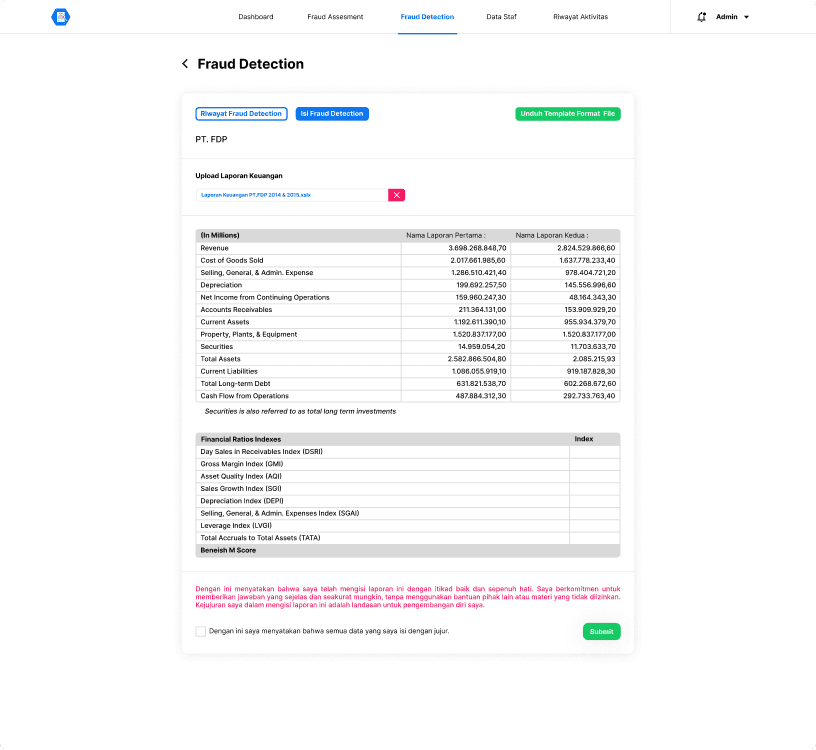
Fraud Detection is one of the two main features of this app. According to the user flow, users begin by uploading a financial report using the provided template. Once uploaded, the numbers will automatically appear in the table. Next, users review and agree to a statement confirming that the report has been completed accurately and honestly. Finally, users click the submit button to finalize the process. This feature can be accessed by Admin and Staff
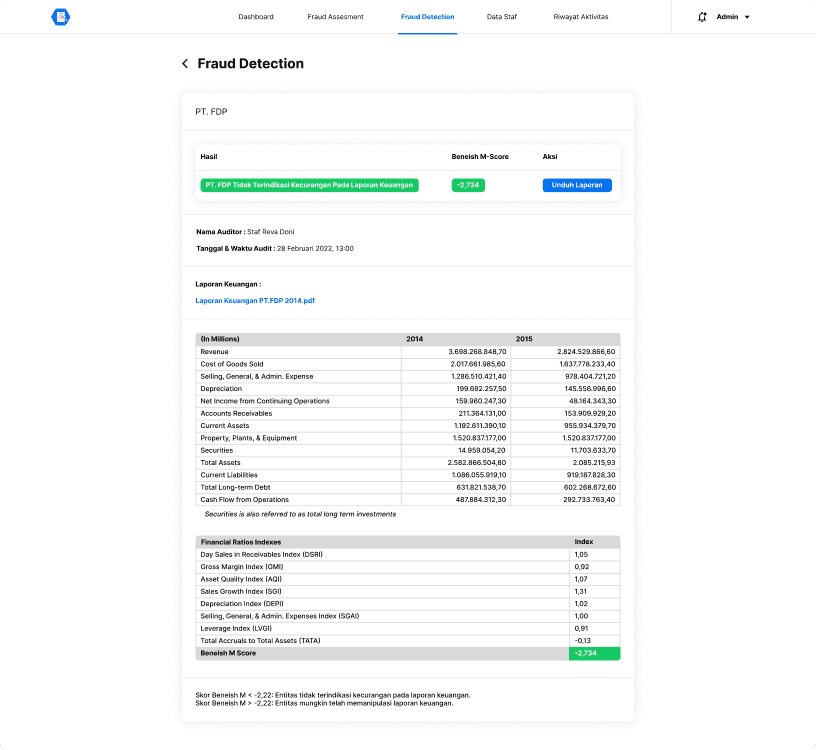
After the users submitted the report, a score will appear indicating that whether there is a potential fraud or not. This score is calculated based on the Beneish M-Score Calculator.
Fraud Assesment
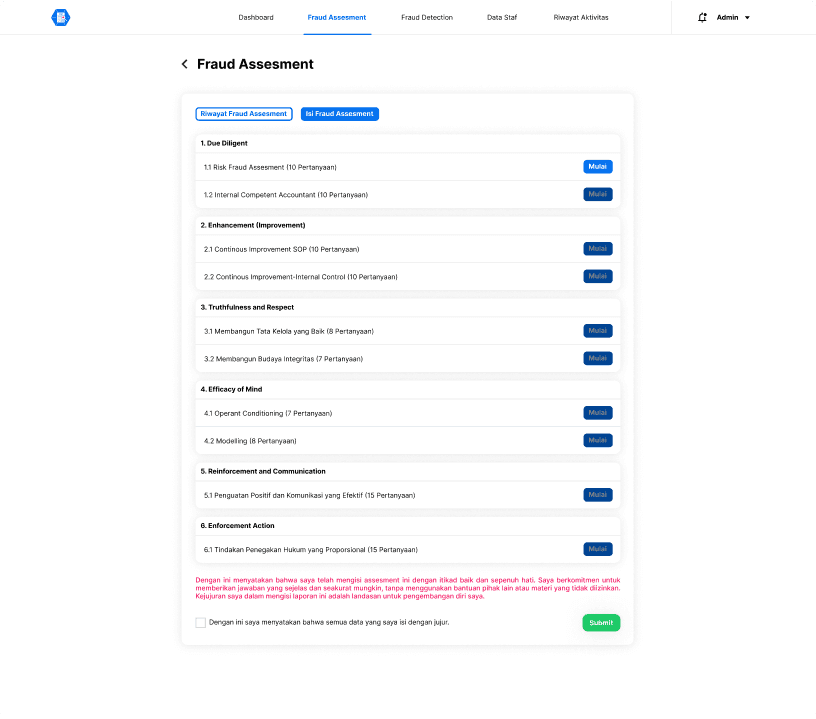
The second main feature is Fraud Assessment, where users answer a total of 100 questions divided into multiple chapters. Users are required to complete the questions sequentially, starting from the first chapter and progressing to the last. These questions are based on the Fraud Deterrence Propeller theory. This feature can be accessed by Admin and Staff.
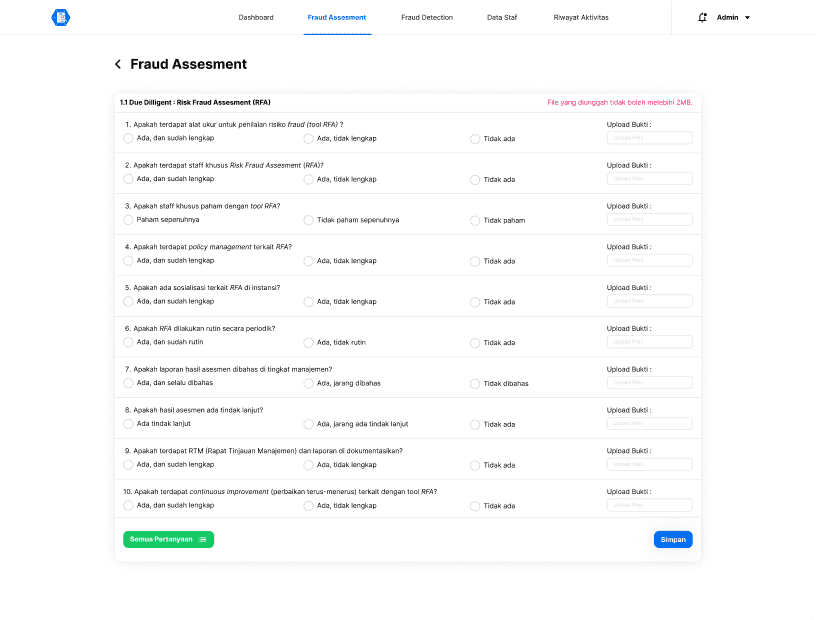
Each question has three answers: "Available and Complete," "Available but Incomplete," and "Not Available at All." Besides answering the questions, users must upload proof to support their answers.
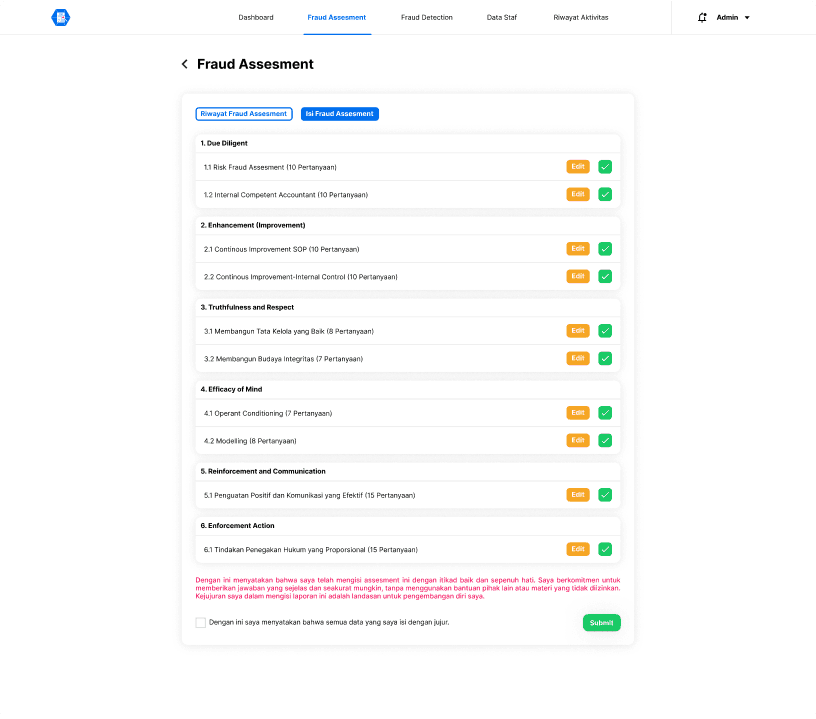
After completing all the questions in the assessment, users will be required to check an agreement box to confirm that they have filled out the assessment honestly and provided truthful answers. This step is important to ensure the reliability and accuracy of the information provided by the users.
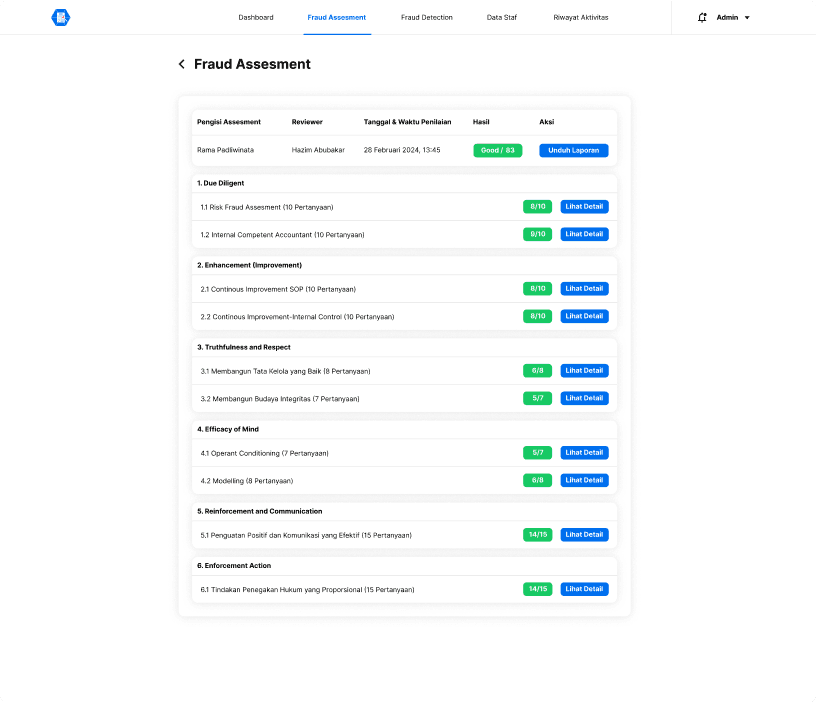
After users complete the 100 questions, the system will calculate a score indicating whether the company is at risk of fraud. However, the assessment is not yet finalized, as users could still manipulate their answers. This is where the Reviewer role comes into play.
Assesment Review
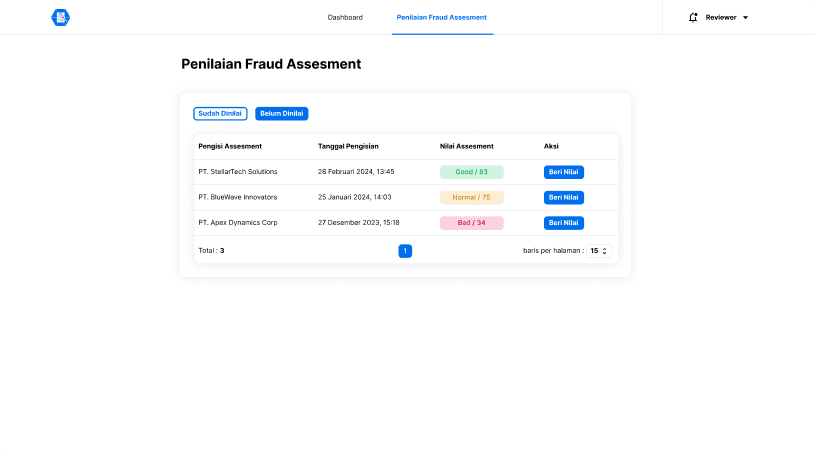
After the Admin or Staff finishes the Fraud Assessment, their submitted assessments will show up in this tab, ready for the Reviewer to check.
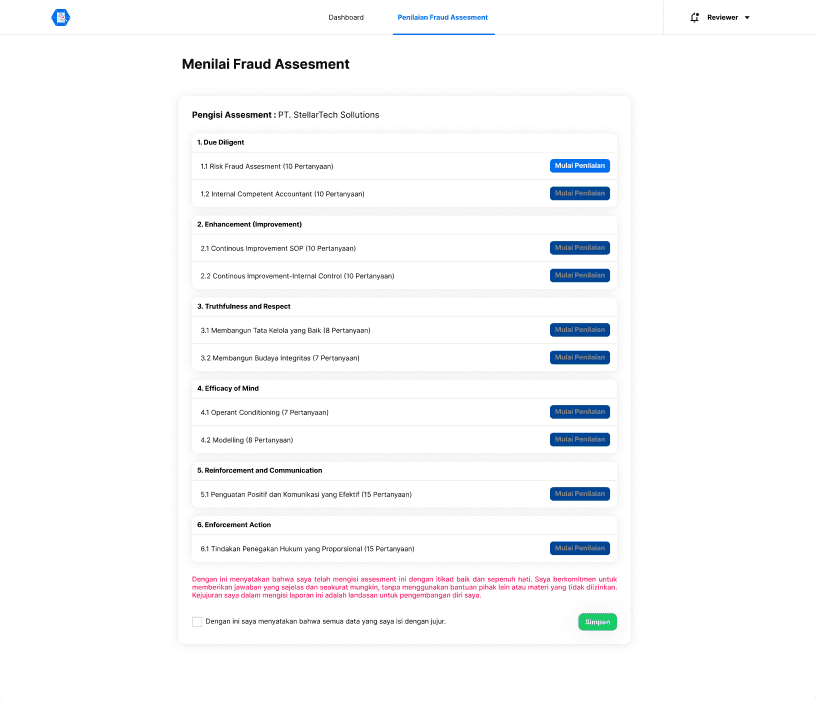
Just like in Fraud Assessment, the Reviewer must evaluate each chapter in order, starting from the first chapter to the last.
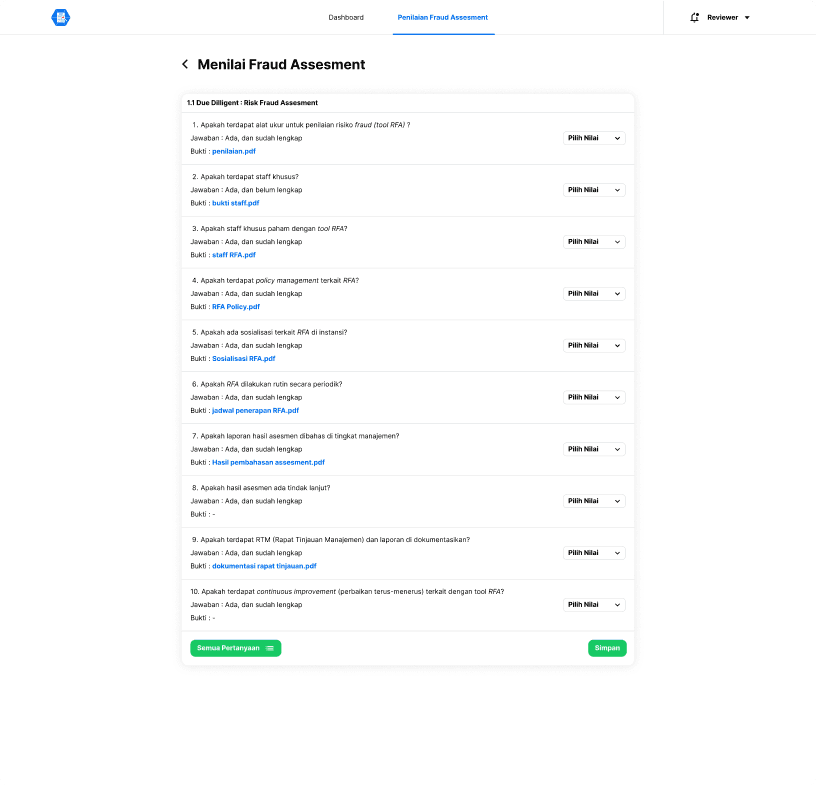
The assessment review process is simple. The reviewer needs to check the answers and the evidence. If the answers match the evidence, the reviewer will give a "True" value. If not, they will give "False."
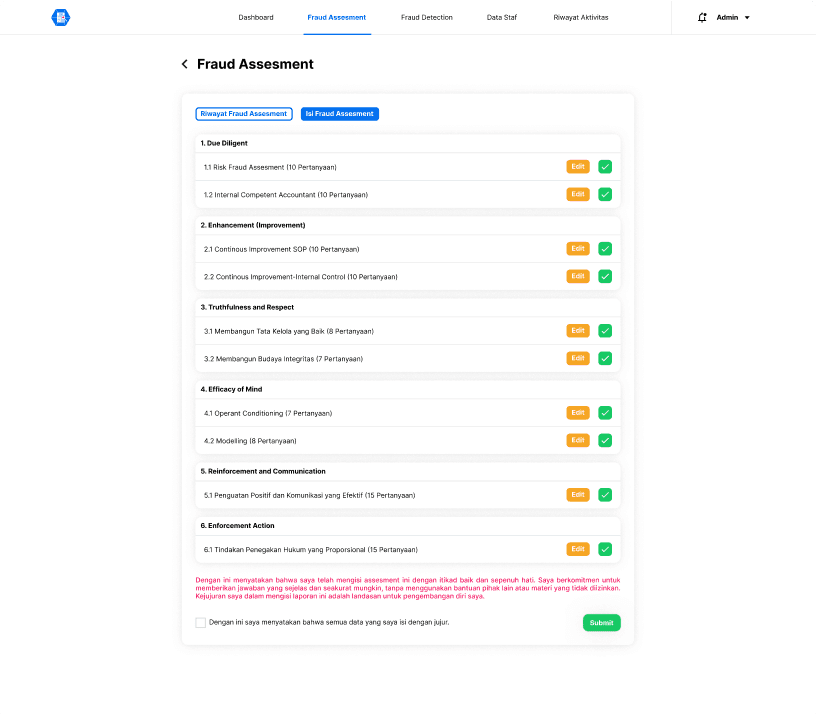
After finishing the assessment review, the reviewer will need to check the agreement box to confirm that they have reviewed it honestly.
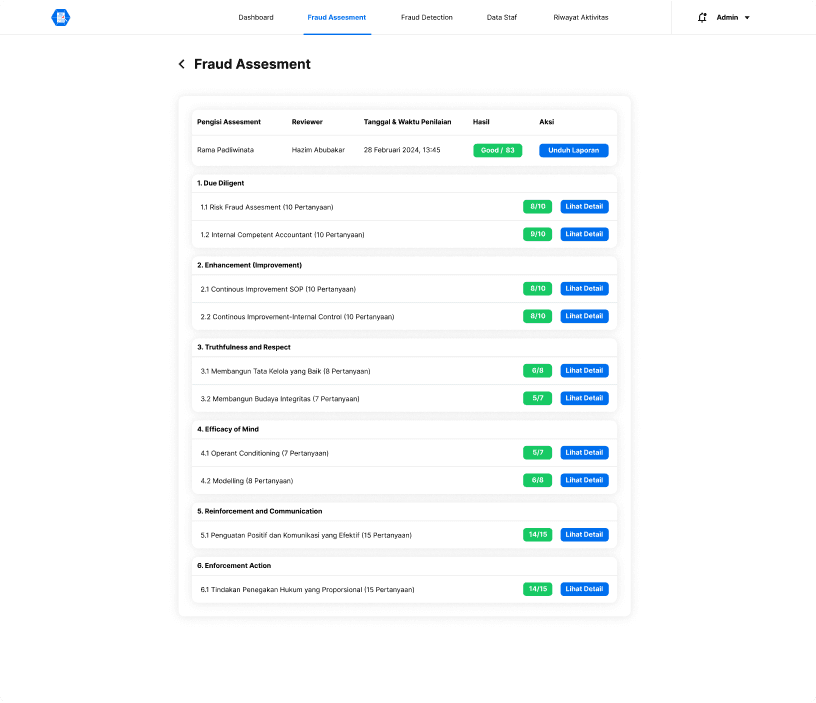
After finished reviewing the assessment, a score will appear whether the company is at risk of fraud or not. This score is final because its been reviewer by the Reviewer.
Usability Testing
After finishing all the User Interface designs, I conducted Usability Testing with respondents who met the following criteria:
Understand the concept of Fraud or the Fraud Deterrence Propeller Theory.
Can operate a computer or laptop.
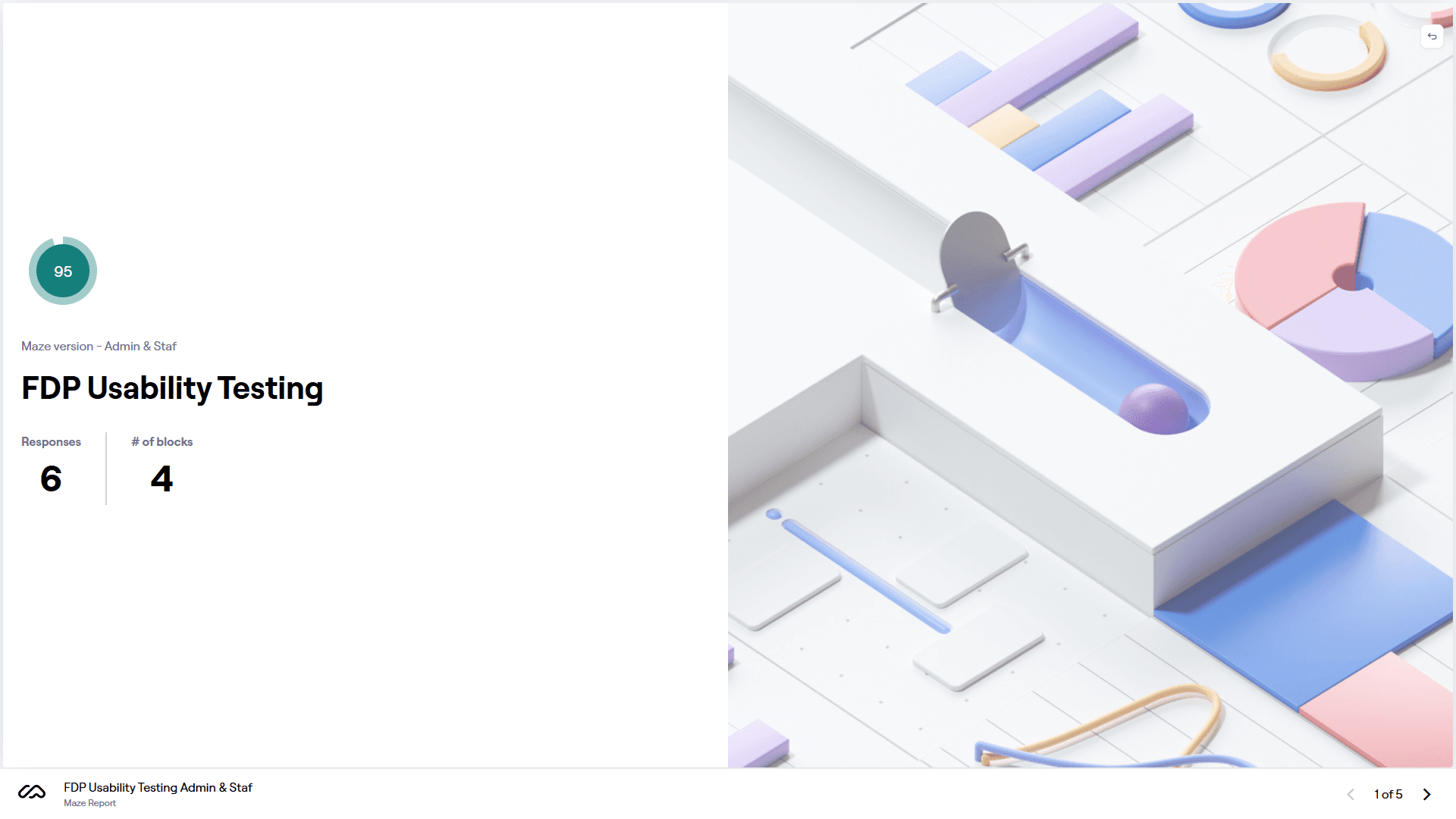
I divided the testing into two tasks: the Admin & Staff task and the Reviewer task. The Admin task involves performing the Fraud Assessment and Fraud Detection, while the Reviewer task involves reviewing the assessment filled out by the Admin.
Admin & Staff
Reviewer
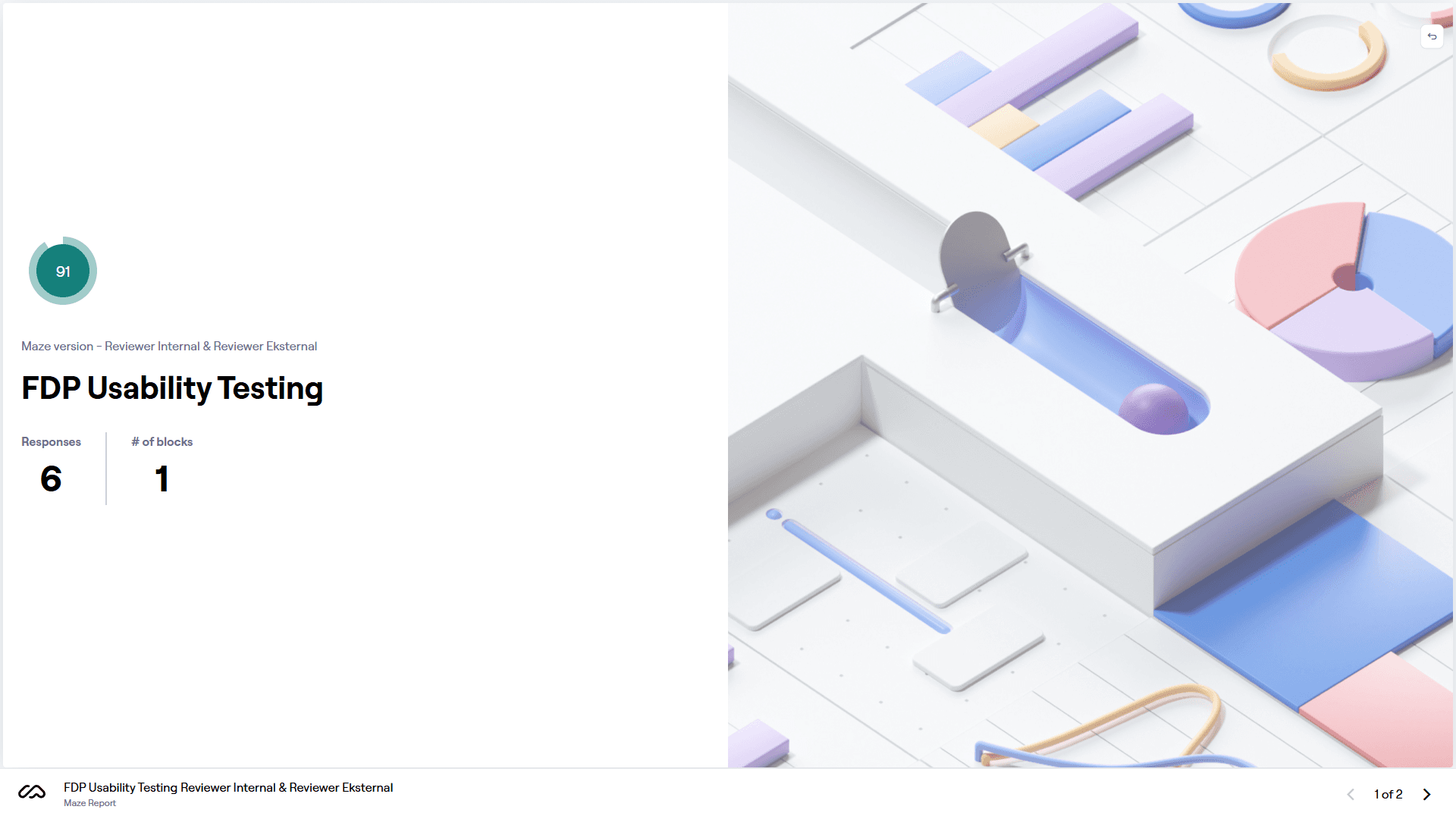
The average score of the Usability Testing is 93, which indicates that the user interface I built is easy to use and respondents can easily understand the task.
System Usability Scale
After respondents finishing Usability Testing, they will be asked 10 question about System Usability Scale.
Respondents
R1
R2
R3
R4
R5
R6
Final Score
SUS Score
85
80
90
92,5
85
97,5
88,33
Grades
A-
B+
A
A
A-
A
A-
Conclusion
This project was completed from the initial stages of requirement gathering, problem statement, and user needs, all the way to the final product in the form of a live application. Every role contributed effectively. In this project, the six of us as students earned an Intellectual Property Rights certificate with my name included on it! I am truly grateful for my role in UI/UX. Thanks to this project, I was able to graduate and pursue my dream of becoming a UI/UX Designer.
Suggestion
Although I successfully created the UI/UX for this application, I feel there is still room for improvement. In terms of the interface, due to the accelerated timeline, I was unable to explore design options extensively, especially for the table in the Fraud Detection feature. On the user research side, we couldn’t interact with companies willing to try the application because financial reports are sensitive. In the future, further iterations could involve interaction with a company that is interested in using the FDP application.
Next Project
Still Curious about my work?
Check out my other work here 👇
Dribbble
Let’s Work Together.
Got a project in mind? Drop me a message—I’d love to hear about it.
Contact Me
Auzan Zaky
Responsive Design
Coming Soon!
Responsive Design
Coming Soon!